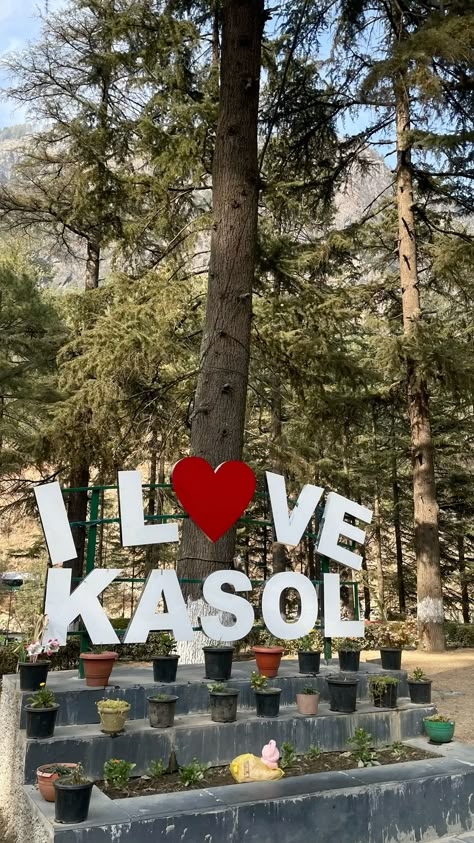
Kasol
Discover Kasol
Kasol: A Complete Travel Guide to the Parvati Valley
Kasol is a small mountain village in the Parvati Valley of Himachal Pradesh's Kullu district. Located along the banks of the Parvati River, it is known for its forested surroundings, mountain views, relaxed village atmosphere, riverside walks and access to some of the most popular places in the valley.
Often used as a base for exploring the Parvati Valley, Kasol attracts backpackers, nature lovers, couples, groups of friends and travellers looking for a quieter Himalayan break. The destination is also a convenient starting point for visiting nearby places such as Chalal, Manikaran, Malana, Tosh and the Kheerganga trekking route.
This Kasol travel guide covers the main experiences in the village, nearby destinations, things to do, the best time to visit, transport options and practical tips for planning your trip.
Where Is Kasol Located?
Kasol is situated in the Parvati Valley of Kullu district, Himachal Pradesh, on the banks of the Parvati River. It lies on the road connecting Bhuntar, Jari, Kasol, Manikaran and Barshaini.
The village is surrounded by forested mountain slopes and the river valley. Bhuntar is the main road and air gateway for travellers coming from outside the region, while Kullu is another important transport centre.
Kasol is not the same place as Kasauli, and it is not part of Manali town. It is a separate destination in Kullu district.
Why Is Kasol Famous?
Kasol is popular for its natural setting and its location in the Parvati Valley. Visitors come here for:
-
Riverside views and walks beside the Parvati River
-
Forest paths and short hikes to nearby villages
-
Mountain scenery and a relaxed village atmosphere
-
Cafés, local food and small shopping streets
-
Access to Manikaran, Malana, Tosh, Grahan and other valley destinations
-
Trekking routes, including the approach to Kheerganga from Barshaini
Kasol is best understood as a base for exploring the valley rather than a destination filled with large monuments or conventional sightseeing attractions.
Best Places to Visit in Kasol
1. Parvati River
The Parvati River is one of the defining features of Kasol. The river flows alongside the village and adds to its mountain setting. Visitors can enjoy the views, spend time at safe riverside viewpoints and take photographs from designated public areas.
The current can be powerful and the water is extremely cold. Avoid swimming, entering the river or standing on slippery rocks close to the water.
2. Kasol Market
Kasol Market is the main shopping and walking area of the village. Visitors can explore small shops selling clothing, souvenirs, accessories, woollens and travel essentials.
The market is also a convenient place to find cafés and eateries. It is usually best explored on foot because the village road can become busy, especially during weekends and holiday periods.
3. Kasol Bridge and Riverside Walk
The bridge and nearby river path are among the easiest places to explore during a short visit. They offer views of the river, surrounding hills and the village.
The path also connects visitors towards the walking route to Chalal. Take care on narrow sections and follow local instructions, particularly after rain.
4. Pine Forest Surroundings
The forested slopes around Kasol create opportunities for short nature walks and quiet breaks away from the main market. Stay on established paths and avoid entering private land or unfamiliar forest trails without local guidance.
5. Local Cafés and Food
Kasol has a varied food scene, with Himachali dishes as well as Indian, Tibetan and international-style café food. Travellers can try local preparations such as siddu where available, along with momos, thukpa and other familiar mountain meals.
Choose eateries based on hygiene, current availability and your own dietary requirements. Do not assume that every café or seasonal business is open throughout the year.
Best Places to Visit Near Kasol
Several well-known destinations are located outside Kasol village. They can be included in a longer Parvati Valley itinerary, but they should not be confused with attractions inside Kasol.
1. Chalal Village
Chalal is a small village across the Parvati River from Kasol. It is commonly reached by walking across the footbridge and following a forest path.
The walk is one of the popular short excursions from Kasol. Visitors come for the quieter surroundings, traditional village atmosphere and views of the valley. Allow extra time during wet weather, when paths may become slippery.
2. Manikaran Sahib
Manikaran is a separate pilgrimage town a short distance beyond Kasol. It is known for Gurudwara Manikaran Sahib, Hindu temples and natural hot springs.
Visitors can learn about the religious importance of the place, pay their respects and experience the community kitchen at the Gurudwara. Follow the rules of the religious complex and take care around the hot spring water, which can be dangerously hot.
3. Malana Village
Malana is a traditional village in a side valley of the Parvati region. It is known for its distinct local customs, community traditions and mountain setting.
Visitors should respect village rules, signs and restricted areas. Do not touch houses, temples or religious structures where prohibited, and ask permission before taking photographs of residents.
4. Tosh Village
Tosh is located beyond Barshaini in the upper Parvati Valley. It is known for mountain views, traditional houses and walking routes around the village.
Tosh is a separate destination and generally needs additional travel time from Kasol. Travellers should check road and weather conditions before planning the journey.
5. Barshaini
Barshaini is an important road-end settlement for travellers heading towards Tosh and trekking routes such as Kheerganga. It is a useful point for understanding the geography of the upper Parvati Valley.
Visitors planning a trek should check current trail conditions, local instructions and transport arrangements before setting out.
6. Kheerganga Trek
Kheerganga is a popular trekking destination reached on foot from the Barshaini side of the valley. It is known for its mountain scenery, forest sections and high-altitude meadow surroundings.
The trek is not a sightseeing point inside Kasol. It requires a separate plan, suitable footwear, adequate time and attention to weather and trail conditions. Do not begin the trek late in the day or rely on outdated information about camping and facilities.
7. Grahan Village
Grahan is a traditional mountain village reached by a trekking route from the Kasol area. The walk passes through forested surroundings and is better suited to travellers who are comfortable with longer hikes.
Plan the walk in daylight, carry drinking water and check local conditions before departure.
8. Rasol Village
Rasol is another mountain village reached by a steep walking trail from the Chalal side. It offers a quieter village experience, but the climb can be demanding.
Allow enough time for the return journey and avoid attempting the route in poor weather or without suitable preparation.
Best Things to Do in Kasol
-
Walk along the safe riverside paths and enjoy the Parvati Valley scenery.
-
Explore Kasol Market and its small shops.
-
Take the walking route towards Chalal.
-
Try Himachali and other local food.
-
Spend time photographing the mountain landscape from safe viewpoints.
-
Plan a separate visit to Manikaran Sahib.
-
Explore nearby villages if you have enough time and are prepared for walking or trekking.
-
Use Kasol as a base for a wider Parvati Valley trip.
Best Time to Visit Kasol
The best time to visit Kasol depends on the kind of experience you want. Weather and road conditions can change quickly in the mountains, so check the forecast before travelling.
March to June
Spring and early summer are popular for comfortable sightseeing, riverside walks and exploring nearby villages. Days are generally more suitable for outdoor activities than the colder winter months.
July to September
This is the monsoon period. Heavy rain can affect roads, bridges and walking trails in the valley. Landslides and sudden changes in river levels are possible. Travel only after checking local weather and road advisories.
October to November
The post-monsoon period can offer clear mountain views and pleasant conditions for walking. Nights become colder, so carry warm clothing.
December to February
Winter brings cold weather and the possibility of snow in higher parts of the region. Snowfall is not guaranteed in Kasol village itself. Check road conditions and local updates before travelling during winter.
How to Reach Kasol
By Road
Road travel is the most common way to reach Kasol. Travellers generally reach Bhuntar first and continue along the Parvati Valley road towards Jari, Kasol and Manikaran.
Buses and taxis operate in the region, but frequency can vary by season and time of day. Confirm the latest service and road conditions before departure.
By Air
The nearest airport for most travellers is Kullu-Manali Airport at Bhuntar. From Bhuntar, continue by road to Kasol by bus or taxi. Flight schedules can be limited and are subject to weather.
By Train
There is no railway station in Kasol. Travellers usually use a railhead outside the valley and continue by road. Check current train connections and onward transport before booking.
How Many Days Are Enough for Kasol?
One Day
A short visit can include Kasol Market, the Parvati River viewpoints, the bridge area and a walk towards Chalal if conditions and time permit.
Two Days
Two days allow a more relaxed visit. Spend one day exploring Kasol and Chalal, and use the other for a separate visit to Manikaran or another nearby destination.
Three to Four Days
A longer trip gives you time to explore more of the Parvati Valley, including destinations such as Tosh, Malana or a properly planned trek. These places require separate travel time and should not be rushed into a single day.
Travel Tips for Visiting Kasol
-
Check weather, road and local travel advisories before leaving.
-
Carry warm clothing even when visiting in summer, especially for evenings.
-
Wear comfortable shoes with a good grip for village walks.
-
Avoid swimming or bathing in the Parvati River.
-
Do not walk close to unstable riverbanks or slippery rocks.
-
Start treks early and check current trail conditions with reliable local sources.
-
Respect local customs, religious places and village rules.
-
Carry some cash because digital connectivity and payment services may be unreliable in remote areas.
-
Keep the valley clean and avoid leaving plastic or other waste behind.
-
Do not assume that all roads, cafés, trails or accommodation facilities remain open throughout the year.
A Simple Kasol Travel Itinerary
Day 1: Explore Kasol
Arrive in Kasol, settle in and explore the main market. Spend time at safe river viewpoints and take a relaxed walk around the village. If time and weather allow, walk towards Chalal and return before dark.
Day 2: Visit Manikaran
Travel to Manikaran and visit Gurudwara Manikaran Sahib and the nearby temples. Learn about the religious significance of the area and return to Kasol after your visit.
Day 3: Explore the Upper Parvati Valley
If you have an additional day, plan a visit towards Barshaini and Tosh, or choose a trek after checking the weather, route conditions and your fitness level. Avoid trying to cover every nearby village in one day.
Is Kasol Worth Visiting?
Kasol is worth visiting for travellers who enjoy mountain scenery, riverside walks, village life and exploring the Parvati Valley at a relaxed pace. It is also a practical base for visiting several nearby destinations.
However, it is a small mountain village rather than a large hill city. Travellers looking for extensive monuments, shopping complexes or a packed list of conventional attractions may prefer to combine Kasol with other destinations in Kullu district.
A well-planned visit that allows time for the village, the river and nearby places is usually more rewarding than trying to cover the entire valley in a hurry.
FAQs
Common questions about Kasol
Kasol is a village in the Parvati Valley of Kullu district, Himachal Pradesh. It is situated on the banks of the Parvati River.
Kasol is famous for its riverside setting, mountain scenery, cafés, village walks and access to nearby destinations such as Chalal, Manikaran, Malana, Tosh and Kheerganga.
Popular places and experiences in Kasol include the Parvati River, Kasol Market, the bridge area, riverside walks and the walking route towards Chalal. Manikaran, Tosh and Malana are separate nearby destinations.
March to June and October to November are popular periods for sightseeing and outdoor walks. July to September is the monsoon season, when rain can affect roads and trails.
Manikaran is a short journey upriver from Kasol, approximately 4–5 km by road. Travel time depends on traffic and road conditions.
Travellers can take a bus or drive towards Bhuntar via the Chandigarh–Bilaspur–Mandi route, then continue by road through the Parvati Valley to Kasol. Journey time depends on traffic, weather and road conditions.
Yes, families can visit Kasol for its mountain scenery, market and relaxed village walks. However, riverbanks, narrow roads and trekking routes require care, especially when travelling with children or older visitors.
One or two days are enough for a short visit to Kasol and nearby places such as Chalal or Manikaran. Three to four days are better if you want to explore more of the Parvati Valley.
Snowfall is not guaranteed in Kasol village. Higher villages and mountain areas in the region have a better chance of receiving snow during winter, depending on weather conditions.
No. Kasol, Manali and Kasauli are three different destinations. Kasol is in the Parvati Valley of Kullu district, while Manali is another town in Kullu district and Kasauli is in Solan district.