Explore Kullu
The Heart of Kullu
Cities to Explore
4 Locations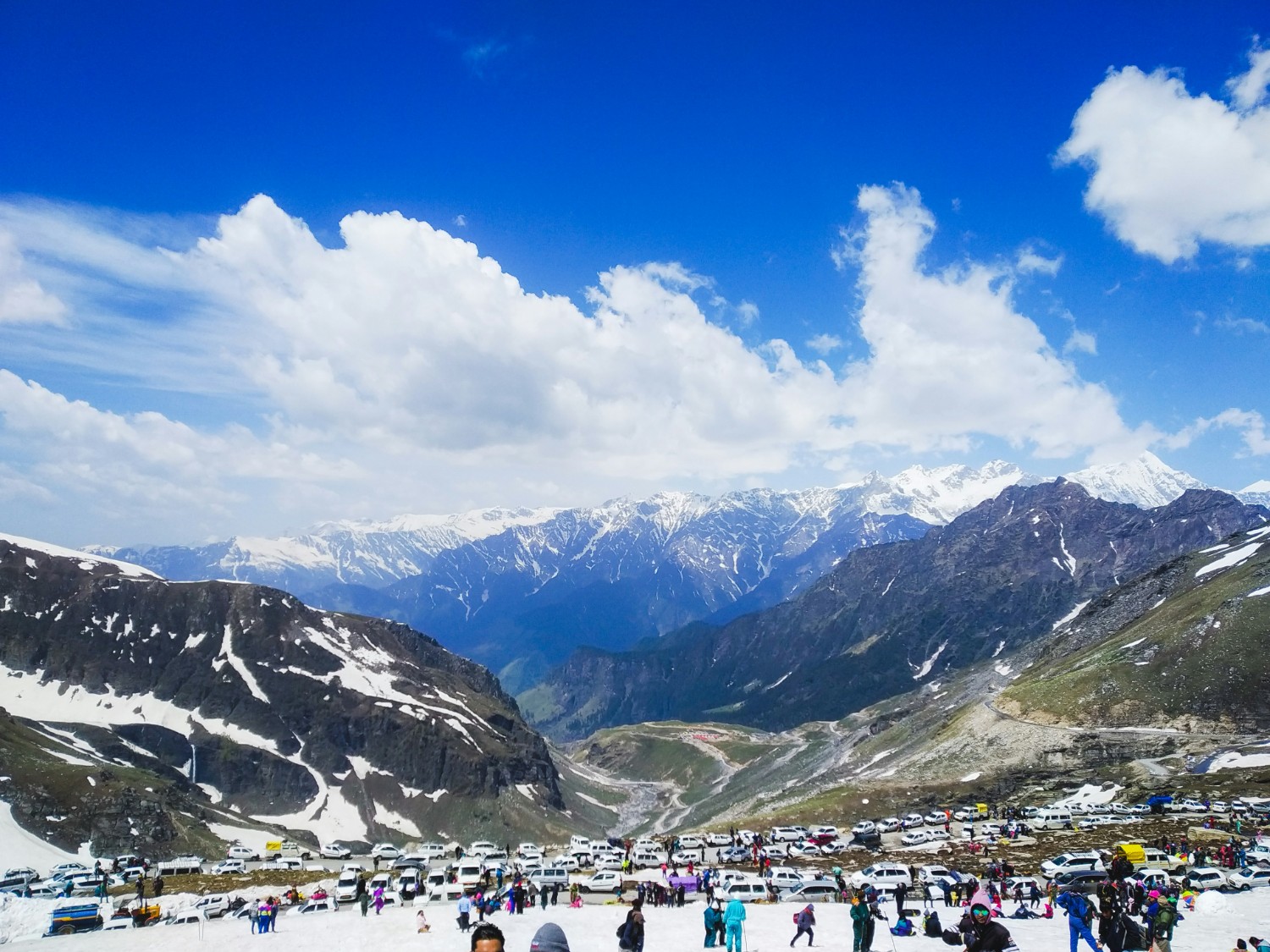
Kullu
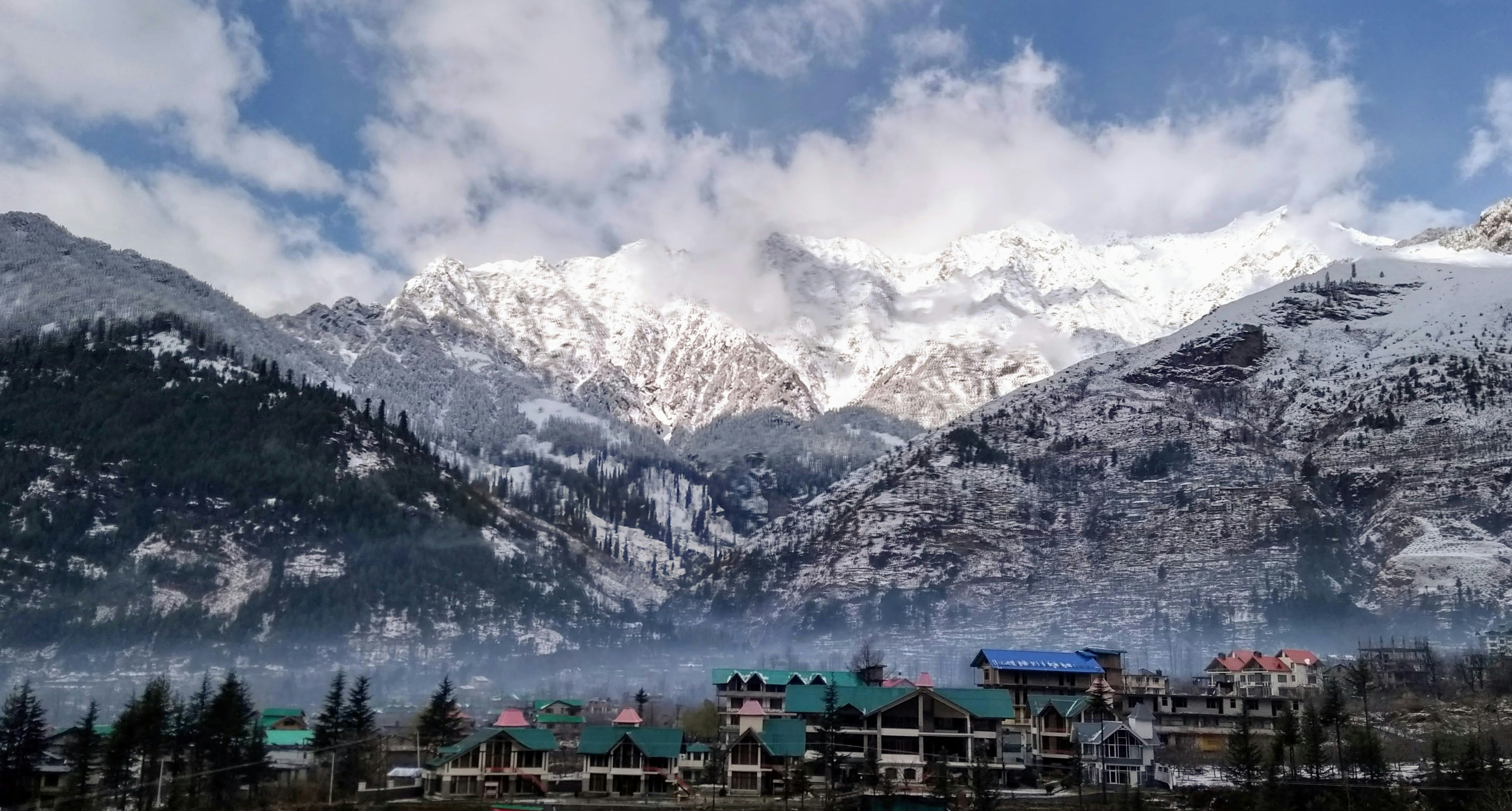
The famous tourist places in Kullu attract travellers looking for mountain scenery, temples, adventure activities, nature and traditional Himachali culture. Located along the Beas River, Kullu is popularly associated with the Valley of Gods and forms an important tourism region of Himachal Pradesh. Kullu town is the district headquarters and is especially known for Raghunathji Temple and Kullu Dussehra. From the religious importance of Raghunath Temple and Bijli Mahadev Temple to the scenic landscapes of the Kullu Valley, the region offers different experiences for families, pilgrims, nature lovers and adventure travellers. Nearby destinations such as Naggar and Manikaran further expand the range of places that can be explored while travelling through Kullu district. Famous Tourist Places in Kullu 1. Raghunath Temple, Kullu Raghunath Temple is one of the most important religious and cultural places in Kullu. The temple is dedicated to Lord Raghunath and has a close connection with the traditional history of Kullu and its famous Dussehra celebrations. Raghunath became the principal deity of the Kullu Valley during the reign of Raja Jagat Singh. 2. Bijli Mahadev Temple Bijli Mahadev is one of the well-known temple destinations around Kullu. Located on a hilltop, the temple is associated with Lord Shiva and is also known for its panoramic views of the surrounding Himalayan landscape. It is one of the prominent attractions highlighted by the Kullu district administration. 3. Vaishno Devi Temple, Kullu Vaishno Devi Temple is another popular religious attraction in the Kullu region. Surrounded by the natural beauty of the valley, the temple attracts devotees as well as visitors exploring the spiritual side of Kullu. 4. Naggar Naggar is a historic destination located on the left bank of the Beas River. It was once the capital of Kullu and is known for Naggar Castle, ancient temples and its scenic mountain setting. Gauri Shankar Temple and other traditional temples add to the historical and cultural importance of Naggar. 5. Manikaran Manikaran is a popular destination in the Parvati Valley and is famous for its hot springs and religious significance. It is an important pilgrimage destination for both Hindus and Sikhs, with Raghunath Temple and Gurudwara Sahib among its major attractions. 6. Manali Manali is one of the most recognised tourist destinations in Kullu district. Located towards the upper end of the Kullu Valley, it is known for mountain scenery, forests, rivers, temples and access to several popular Himalayan attractions. 7. Great Himalayan National Park The Great Himalayan National Park is an important natural attraction in Kullu district and is known for its rich Himalayan biodiversity. It is particularly relevant for visitors interested in nature, wildlife and trekking experiences. 8. Kullu Valley Kullu Valley is one of the main scenic attractions of the region. The valley is characterised by the Beas River, green landscapes, mountain views, orchards and traditional villages. Its natural surroundings make it an important part of the Kullu tourism experience. 9. Malana Village Malana is a distinctive mountain village in the wider Kullu region, known for its unique traditional social and cultural system and its remote Himalayan setting. It is generally visited as part of a wider Kullu Valley itinerary rather than as a Kullu town attraction. 10. Tirthan Valley Tirthan Valley is known for its peaceful mountain environment, rivers, villages, forests and access to nature-based experiences. It is a suitable destination for travellers looking for a quieter side of the Kullu region. 11. Dhalpur Ground Dhalpur Ground is an important cultural space in Kullu town and becomes particularly significant during Kullu Dussehra. The festival brings together local deities and cultural traditions from different parts of the district. Kullu's association with Dussehra is one of the major reasons the town has gained international tourism recognition. 12. Raison Raison is a scenic destination in the Kullu Valley surrounded by mountain landscapes and the Beas River. It is known for its peaceful environment and is suitable for travellers looking for nature and outdoor experiences. Religious Tourist Places in Kullu Kullu has a strong religious and cultural identity, often described as the Valley of Gods. Important religious tourist places include Raghunath Temple, Bijli Mahadev Temple and Vaishno Devi Temple. The district also has numerous local temples associated with its traditional Dev Sanskriti. Natural Tourist Places in Kullu Nature is one of the biggest attractions of Kullu tourism. Travellers can explore the Kullu Valley, Beas River landscapes, Himalayan forests, mountain villages, Parvati Valley and protected natural areas such as the Great Himalayan National Park. Historical and Cultural Places in Kullu For travellers interested in history and culture, Naggar is an important destination because of its historical connection with the former Kullu state and its traditional temples. Kullu town is also closely associated with Raghunathji and the famous Kullu Dussehra festival. Things to Do at Famous Tourist Places in Kullu Visitors can enjoy different experiences depending on the destination, including: Visiting ancient temples and pilgrimage sites Exploring Himalayan valleys and villages Enjoying mountain and river views Trekking and nature walks Exploring local culture and traditional architecture Visiting historical places such as Naggar Experiencing Kullu Dussehra and local cultural traditions Exploring nature and wildlife around protected areas Best Time to Visit Famous Tourist Places in Kullu The best time depends on the type of experience you want. The spring and summer months are suitable for exploring valleys, villages and outdoor attractions, while autumn is particularly attractive for visitors interested in Kullu's cultural atmosphere and Dussehra celebrations. Winter can bring colder conditions and snow in higher areas, so travellers should check local weather and road conditions before visiting mountain destinations. How to Reach Famous Tourist Places in Kullu By Air The nearest airport for Kullu is Kullu-Manali Airport at Bhuntar, which provides access to Kullu Valley and surrounding destinations. By Road Kullu is well connected by road with major towns and cities of Himachal Pradesh and neighbouring states. Buses, taxis and private vehicles are commonly used to travel around the Kullu region. By Rail The nearest broad-gauge railway connections are outside Kullu. Travellers generally combine rail travel with road transport to reach Kullu. Famous Tourist Places in Kullu for Different Travellers For Families Kullu Valley, Vaishno Devi Temple, Naggar and scenic areas around Kullu can be included in a family itinerary. For Pilgrims Raghunath Temple, Bijli Mahadev, Vaishno Devi Temple and Manikaran are important religious destinations. For Nature Lovers Great Himalayan National Park, Kullu Valley, Tirthan Valley and other mountain landscapes offer nature-focused experiences. For History and Culture Lovers Naggar, Raghunath Temple and Kullu Dussehra provide opportunities to explore the historical and cultural side of the region.
Manikaran
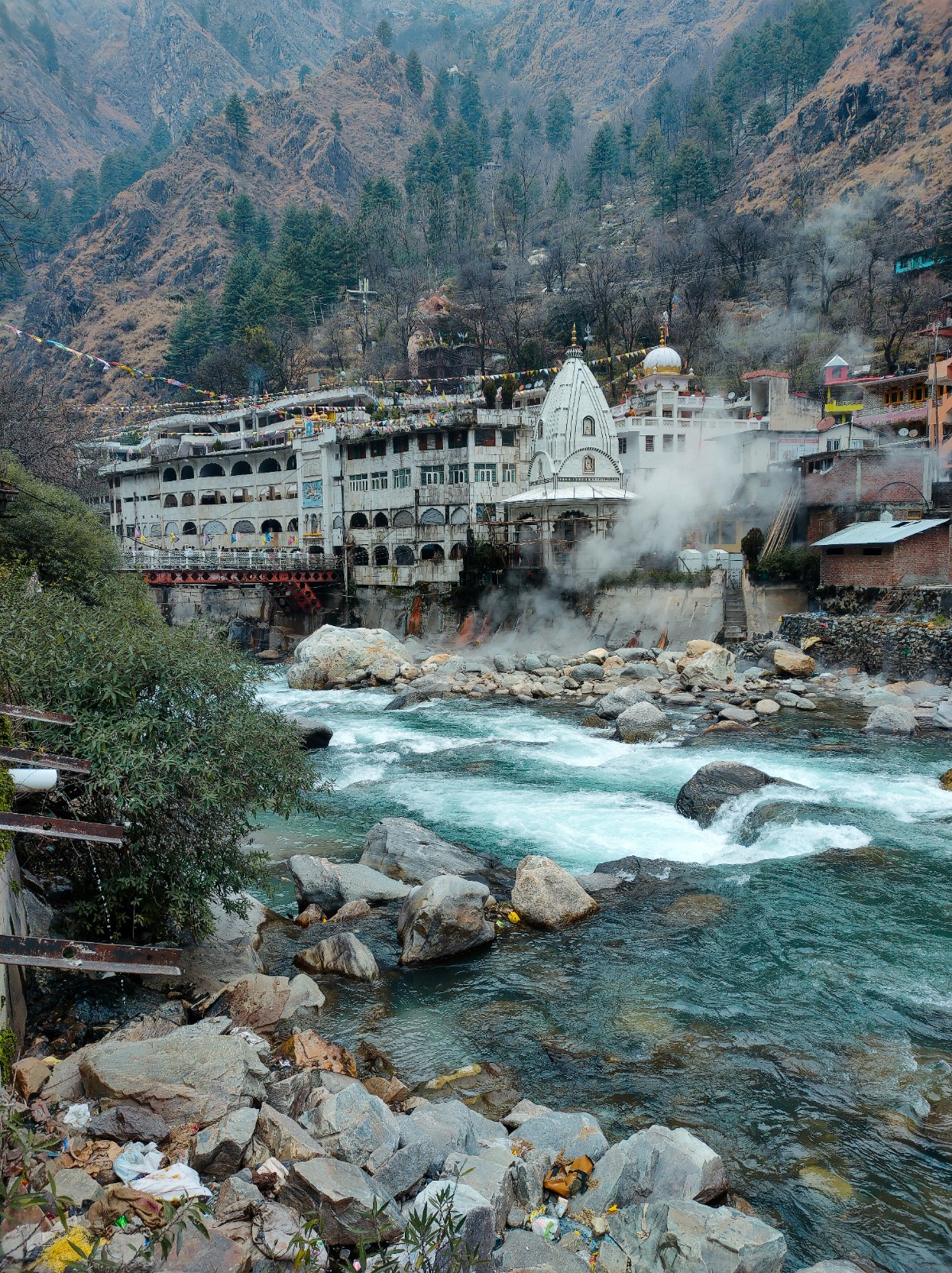
Manikaran, Himachal Pradesh – A Complete Travel Guide Manikaran is a famous pilgrimage town in the beautiful Parvati Valley of Kullu district, Himachal Pradesh. Located beside the Parvati River and surrounded by steep mountain slopes, the town is known for Gurudwara Manikaran Sahib, natural hot water springs, ancient Hindu temples and its religious importance. Manikaran attracts Sikh and Hindu pilgrims as well as travellers exploring Kasol and the wider Parvati Valley. Visitors come here to pay their respects, experience the peaceful atmosphere, see the hot springs and enjoy the scenic mountain surroundings. Whether you are planning a short visit from Kasol or adding Manikaran to a longer Kullu trip, this guide covers the main attractions, local experiences, nearby destinations, travel routes, best time to visit and useful travel tips. Where Is Manikaran Located? Manikaran is situated in Parvati Valley in Kullu district of Himachal Pradesh, along the Parvati River. It is approximately 40–45 km from Kullu town, depending on the starting point and route. The town lies on the road that continues from Kasol towards Barshaini. Its location makes it an important religious stop for pilgrims and a popular sightseeing destination for visitors exploring the Parvati Valley. Manikaran is also commonly visited from Kasol, which is a convenient base for exploring this part of the valley. Why Is Manikaran Famous? Manikaran is mainly famous for its religious significance and natural hot water springs. It is an important destination for both Sikh and Hindu visitors. The main reasons people visit Manikaran include: Gurudwara Manikaran Sahib: A major Sikh pilgrimage site associated with Guru Nanak Dev Ji. Natural hot springs: Hot water emerges from the ground near the Parvati River and religious complex. Hindu temples: The town has important temples associated with Lord Shiva and Lord Rama. Langar: Visitors of all faiths can participate in the community meal at the Gurudwara. Parvati Valley scenery: The river, surrounding mountains and narrow valley create a distinctive Himalayan setting. Best Places to Visit in Manikaran Manikaran is a small town, and most of its main attractions can be explored on foot. These are the important places to include in your visit. 1. Gurudwara Manikaran Sahib Gurudwara Manikaran Sahib is the most prominent attraction in the town. Situated beside the Parvati River, this sacred place is associated with the visit of Guru Nanak Dev Ji along with Bhai Mardana and other companions, according to Sikh tradition. The Gurudwara is known for its peaceful prayer atmosphere, community service and natural hot springs within the complex. Pilgrims and tourists from different parts of India visit throughout the year. Visitors can offer prayers, spend time in the complex and participate in the langar. The community kitchen serves meals to visitors without discrimination based on religion or background. Visitor tips: Cover your head before entering the prayer area. Remove your shoes at the designated place. Maintain silence and respect the religious environment. Follow the instructions of the Gurudwara management. 2. Manikaran Hot Water Springs The natural hot springs are among the most distinctive features of Manikaran. Hot water emerges from underground near the river and the religious complex, creating a striking contrast with the cold water of the Parvati River. The springs have been associated with religious traditions for generations. Hot spring water is also used for cooking food, including rice wrapped in cloth and placed in designated hot-water areas. Some visitors use the bathing facilities available around the religious complex. Facilities and access arrangements may vary, so follow local instructions. Important safety note: Water near the source can be extremely hot and may cause serious burns. Never put your hand or foot into an unmarked spring or touch the source water. Use only designated facilities and follow safety instructions. Traditional beliefs about the springs' healing properties should not be treated as medical advice. 3. Shri Ramchandra Temple Shri Ramchandra Temple is one of the important Hindu religious sites in Manikaran. The temple is associated with Lord Rama and local religious traditions. The temple is an important stop for Hindu pilgrims visiting Manikaran. Its setting near the hot springs and other religious structures makes it easy to include during a walking visit around the town. Visitors should respect the temple's customs and check locally for any restrictions on photography or access. 4. Lord Shiva Temple Manikaran is also connected with Lord Shiva and Goddess Parvati in Hindu mythology. The local Shiva temple is an important place of worship for devotees visiting the town. According to local legend, Goddess Parvati lost a precious jewel in the water while bathing. Lord Shiva became angry, and the story is associated with the appearance of the hot springs in the valley. This legend is an important part of Manikaran's religious identity and is one reason the town is visited by Hindu pilgrims. 5. Parvati River Viewpoints The Parvati River flows beside Manikaran and adds to the town's natural beauty. The contrast between the river's cold water, the hot springs and the surrounding mountains makes this area particularly interesting. Visitors can enjoy the views from safe public areas and walk around the accessible parts of the town. Safety: Do not climb onto wet rocks or river edges, and never enter the river at unsafe locations. Water levels and currents can change quickly, especially during rain or dam-related releases upstream. 6. Manikaran Local Market The local market is a small but useful place to explore while visiting the town. Shops around the main road sell religious items, souvenirs, woollen products, snacks and everyday essentials. Visitors can walk through the market after visiting the Gurudwara and temples. It is also a convenient place to purchase small items for the journey. Places to Visit Near Manikaran Several popular destinations in Parvati Valley can be explored from Manikaran. These are separate villages and destinations, not attractions located inside Manikaran town. 1. Kasol Kasol is one of the best-known destinations in Parvati Valley and is located a short drive downstream from Manikaran. It is popular for its riverside setting, mountain views, cafés, local market and access to walking trails. Many travellers stay in Kasol and visit Manikaran as a half-day excursion. 2. Chalal Village Chalal is a small village near Kasol, known for its forest surroundings, traditional mountain setting and walking routes. Visitors generally reach it on foot from Kasol. It is a good option for travellers interested in a peaceful walk and a quieter side of Parvati Valley. 3. Barshaini Barshaini is an important road-end settlement further up Parvati Valley. It is a starting point for journeys towards Tosh, Kalga, Pulga and the Kheerganga trekking route. Travellers planning a trek should check the current trail and road conditions before starting. 4. Tosh Village Tosh is a scenic mountain village above Barshaini. It is known for its traditional houses, mountain views and walking routes. The village attracts travellers who want to explore the upper Parvati Valley and spend time away from the busier parts of Kasol. 5. Kheerganga Trek Kheerganga is a well-known trekking destination in the upper Parvati Valley. The usual approach is from Barshaini, and the route passes through forested sections, mountain scenery and small settlements. The trek requires physical preparation and suitable footwear. Weather, trail access and local restrictions can change, so check current conditions before setting out. Do not assume that overnight camping or bathing facilities are available without checking the latest rules. 6. Malana Village Malana is a traditional village in a separate valley near the Parvati region. It is known for its distinct local customs, traditional social organisation and mountain setting. Visitors should be respectful of village rules, avoid touching houses or religious structures where prohibited, and follow local guidance. Malana is not a part of Manikaran town and requires a separate journey. Things to Do in Manikaran A visit to Manikaran is generally focused on religious experiences, local sightseeing and exploring the surrounding valley. Some useful things to do include: Visit Gurudwara Manikaran Sahib and offer prayers. Participate in the langar at the Gurudwara. See the natural hot water springs from designated safe areas. Visit the Shri Ramchandra and Shiva temples. Walk through the local market. Enjoy views of the Parvati River from safe public viewpoints. Explore Kasol and other nearby destinations in Parvati Valley. Try local food and traditional Himachali dishes where available. Best Time to Visit Manikaran Manikaran can be visited throughout the year, but the experience changes with the season. March to June This is a comfortable period for sightseeing and exploring the Parvati Valley. The weather is generally pleasant compared with the colder winter months, and road travel is often more convenient. July to September The monsoon brings greenery to the valley, but heavy rainfall can cause landslides, road blockages and sudden changes in river conditions. Travellers should check weather and road advisories before travelling. Avoid standing near the river during heavy rain or when water levels rise. October to November This period is suitable for visitors who prefer cooler weather and relatively quieter surroundings. Days can be pleasant, while evenings and mornings become colder. December to February Winter brings cold conditions to Manikaran and the surrounding higher areas. Snowfall is more likely at higher elevations than in the town itself, so do not plan a snow visit on the assumption that Manikaran will always be covered in snow. Carry warm clothing and check road conditions before travelling. How to Reach Manikaran Manikaran is connected by road to Kullu, Bhuntar and other destinations in Himachal Pradesh. The final journey follows the Parvati Valley road. By Road Road travel is the most practical way to reach Manikaran. From Kullu: Travel towards Bhuntar and then follow the Parvati Valley road via Jari and Kasol. From Bhuntar: Continue towards Jari and Kasol before reaching Manikaran. From Kasol: Manikaran is a short drive further up the valley. From Manali: Travel via Kullu and Bhuntar, then continue towards Kasol and Manikaran. HRTC and private buses operate on routes connecting important towns in the region. Local bus frequency can vary, so check the latest schedule before travelling. By Air The nearest airport is Kullu-Manali Airport at Bhuntar. From the airport, visitors need to continue by road towards Manikaran through the Parvati Valley. Flight availability can be limited and may be affected by weather. By Train There is no railway station at Manikaran. The nearest narrow-gauge rail connection commonly listed for this region is Joginder Nagar, but it is a considerable distance away. Travellers arriving by broad-gauge train can plan onward road travel from a suitable railway station in the region. How Much Time Is Needed to Explore Manikaran? Most visitors can explore the main religious complex, hot springs area, temples and local market in a few hours. 2–3 hours: Main sightseeing around the Gurudwara, springs and temples. Half day: A relaxed visit with time for langar and the local market. 1–2 days: A longer trip combining Manikaran with Kasol and other accessible parts of Parvati Valley. If you want to trek to Kheerganga or visit Tosh, Pulga or Malana, plan additional time. These are separate excursions and should not be treated as short walks from Manikaran. Food and Langar in Manikaran The langar at Gurudwara Manikaran Sahib is an important part of the visitor experience. People from all faiths and backgrounds are welcome to participate. The town also has small eateries and local food shops. Travellers can find simple meals and refreshments, although the choice may be more limited than in larger tourist centres. Visitors should avoid wasting food and respect the traditions of the community kitchen. Where to Stay in Manikaran Manikaran has accommodation options used by pilgrims and travellers. Visitors can also choose to stay in nearby Kasol, which offers a wider choice of accommodation and dining options. Choose your stay according to your travel plan: Stay in Manikaran if your main purpose is pilgrimage and a short visit to the religious sites. Stay in Kasol if you want to explore more of Parvati Valley and prefer a wider range of facilities. For Tosh, Pulga or other upper-valley villages, check local road access and accommodation availability before travelling. Confirm current availability, facilities and rates directly before booking. Travel Tips for Visiting Manikaran Wear comfortable shoes because the town has narrow lanes and walking sections. Carry warm clothing, even when visiting during summer. Cover your head and remove your shoes before entering the Gurudwara. Respect religious customs at the Gurudwara and temples. Never touch the hot spring source water; it can cause severe burns. Use only designated bathing facilities and follow local instructions. Do not throw plastic or other waste into the river or around the springs. Avoid standing on slippery rocks beside the Parvati River. Check road and weather conditions during the monsoon and winter. Keep some cash for small purchases in the local market. If you are planning a trek, check the current trail status and local restrictions first. Suggested Manikaran Travel Itinerary Manikaran One-Day Visit Morning Reach Manikaran and visit Gurudwara Manikaran Sahib. Spend time in the religious complex and participate in langar. See the hot springs from designated safe areas. Afternoon Visit Shri Ramchandra Temple and the Shiva temple. Explore the local market. Enjoy the views of the Parvati River from safe public areas. Evening Return towards Kasol or continue to your planned accommodation. Manikaran and Parvati Valley – Two-Day Plan Day 1: Explore Manikaran, visit the Gurudwara and temples, and spend time around the hot springs. Stay in Manikaran or Kasol. Day 2: Explore Kasol and choose a suitable nearby destination such as Chalal. Travellers with more time can plan a separate trip towards Barshaini and Tosh. Kheerganga and Malana require separate planning and should not be added to a rushed sightseeing schedule. Responsible Tourism in Manikaran Manikaran is both a religious destination and a sensitive mountain environment. Visitors should help preserve its spiritual atmosphere and natural surroundings. Respect local religious practices, avoid littering, do not disturb the river ecosystem and follow instructions around the hot springs. When visiting nearby villages, respect local customs and private property. A responsible visit helps protect the valley for residents, pilgrims and future travellers.
Kasol
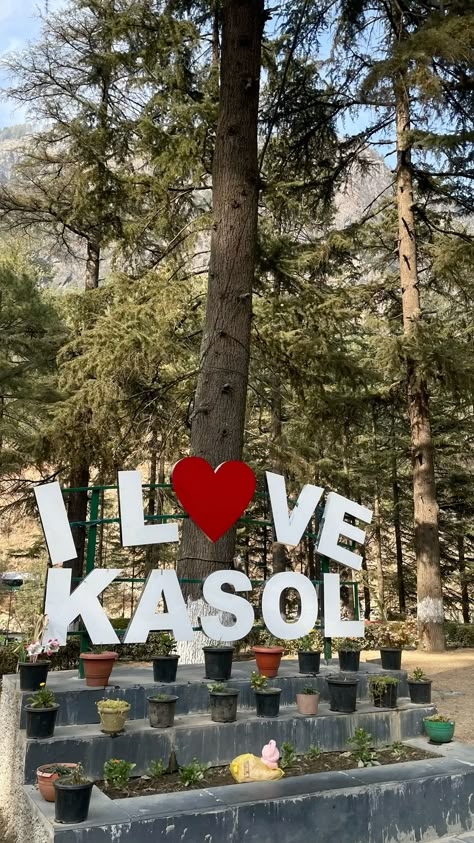
Kasol: A Complete Travel Guide to the Parvati Valley Kasol is a small mountain village in the Parvati Valley of Himachal Pradesh's Kullu district. Located along the banks of the Parvati River, it is known for its forested surroundings, mountain views, relaxed village atmosphere, riverside walks and access to some of the most popular places in the valley. Often used as a base for exploring the Parvati Valley, Kasol attracts backpackers, nature lovers, couples, groups of friends and travellers looking for a quieter Himalayan break. The destination is also a convenient starting point for visiting nearby places such as Chalal, Manikaran, Malana, Tosh and the Kheerganga trekking route. This Kasol travel guide covers the main experiences in the village, nearby destinations, things to do, the best time to visit, transport options and practical tips for planning your trip. Where Is Kasol Located? Kasol is situated in the Parvati Valley of Kullu district, Himachal Pradesh, on the banks of the Parvati River. It lies on the road connecting Bhuntar, Jari, Kasol, Manikaran and Barshaini. The village is surrounded by forested mountain slopes and the river valley. Bhuntar is the main road and air gateway for travellers coming from outside the region, while Kullu is another important transport centre. Kasol is not the same place as Kasauli, and it is not part of Manali town. It is a separate destination in Kullu district. Why Is Kasol Famous? Kasol is popular for its natural setting and its location in the Parvati Valley. Visitors come here for: Riverside views and walks beside the Parvati River Forest paths and short hikes to nearby villages Mountain scenery and a relaxed village atmosphere Cafés, local food and small shopping streets Access to Manikaran, Malana, Tosh, Grahan and other valley destinations Trekking routes, including the approach to Kheerganga from Barshaini Kasol is best understood as a base for exploring the valley rather than a destination filled with large monuments or conventional sightseeing attractions. Best Places to Visit in Kasol 1. Parvati River The Parvati River is one of the defining features of Kasol. The river flows alongside the village and adds to its mountain setting. Visitors can enjoy the views, spend time at safe riverside viewpoints and take photographs from designated public areas. The current can be powerful and the water is extremely cold. Avoid swimming, entering the river or standing on slippery rocks close to the water. 2. Kasol Market Kasol Market is the main shopping and walking area of the village. Visitors can explore small shops selling clothing, souvenirs, accessories, woollens and travel essentials. The market is also a convenient place to find cafés and eateries. It is usually best explored on foot because the village road can become busy, especially during weekends and holiday periods. 3. Kasol Bridge and Riverside Walk The bridge and nearby river path are among the easiest places to explore during a short visit. They offer views of the river, surrounding hills and the village. The path also connects visitors towards the walking route to Chalal. Take care on narrow sections and follow local instructions, particularly after rain. 4. Pine Forest Surroundings The forested slopes around Kasol create opportunities for short nature walks and quiet breaks away from the main market. Stay on established paths and avoid entering private land or unfamiliar forest trails without local guidance. 5. Local Cafés and Food Kasol has a varied food scene, with Himachali dishes as well as Indian, Tibetan and international-style café food. Travellers can try local preparations such as siddu where available, along with momos, thukpa and other familiar mountain meals. Choose eateries based on hygiene, current availability and your own dietary requirements. Do not assume that every café or seasonal business is open throughout the year. Best Places to Visit Near Kasol Several well-known destinations are located outside Kasol village. They can be included in a longer Parvati Valley itinerary, but they should not be confused with attractions inside Kasol. 1. Chalal Village Chalal is a small village across the Parvati River from Kasol. It is commonly reached by walking across the footbridge and following a forest path. The walk is one of the popular short excursions from Kasol. Visitors come for the quieter surroundings, traditional village atmosphere and views of the valley. Allow extra time during wet weather, when paths may become slippery. 2. Manikaran Sahib Manikaran is a separate pilgrimage town a short distance beyond Kasol. It is known for Gurudwara Manikaran Sahib, Hindu temples and natural hot springs. Visitors can learn about the religious importance of the place, pay their respects and experience the community kitchen at the Gurudwara. Follow the rules of the religious complex and take care around the hot spring water, which can be dangerously hot. 3. Malana Village Malana is a traditional village in a side valley of the Parvati region. It is known for its distinct local customs, community traditions and mountain setting. Visitors should respect village rules, signs and restricted areas. Do not touch houses, temples or religious structures where prohibited, and ask permission before taking photographs of residents. 4. Tosh Village Tosh is located beyond Barshaini in the upper Parvati Valley. It is known for mountain views, traditional houses and walking routes around the village. Tosh is a separate destination and generally needs additional travel time from Kasol. Travellers should check road and weather conditions before planning the journey. 5. Barshaini Barshaini is an important road-end settlement for travellers heading towards Tosh and trekking routes such as Kheerganga. It is a useful point for understanding the geography of the upper Parvati Valley. Visitors planning a trek should check current trail conditions, local instructions and transport arrangements before setting out. 6. Kheerganga Trek Kheerganga is a popular trekking destination reached on foot from the Barshaini side of the valley. It is known for its mountain scenery, forest sections and high-altitude meadow surroundings. The trek is not a sightseeing point inside Kasol. It requires a separate plan, suitable footwear, adequate time and attention to weather and trail conditions. Do not begin the trek late in the day or rely on outdated information about camping and facilities. 7. Grahan Village Grahan is a traditional mountain village reached by a trekking route from the Kasol area. The walk passes through forested surroundings and is better suited to travellers who are comfortable with longer hikes. Plan the walk in daylight, carry drinking water and check local conditions before departure. 8. Rasol Village Rasol is another mountain village reached by a steep walking trail from the Chalal side. It offers a quieter village experience, but the climb can be demanding. Allow enough time for the return journey and avoid attempting the route in poor weather or without suitable preparation. Best Things to Do in Kasol Walk along the safe riverside paths and enjoy the Parvati Valley scenery. Explore Kasol Market and its small shops. Take the walking route towards Chalal. Try Himachali and other local food. Spend time photographing the mountain landscape from safe viewpoints. Plan a separate visit to Manikaran Sahib. Explore nearby villages if you have enough time and are prepared for walking or trekking. Use Kasol as a base for a wider Parvati Valley trip. Best Time to Visit Kasol The best time to visit Kasol depends on the kind of experience you want. Weather and road conditions can change quickly in the mountains, so check the forecast before travelling. March to June Spring and early summer are popular for comfortable sightseeing, riverside walks and exploring nearby villages. Days are generally more suitable for outdoor activities than the colder winter months. July to September This is the monsoon period. Heavy rain can affect roads, bridges and walking trails in the valley. Landslides and sudden changes in river levels are possible. Travel only after checking local weather and road advisories. October to November The post-monsoon period can offer clear mountain views and pleasant conditions for walking. Nights become colder, so carry warm clothing. December to February Winter brings cold weather and the possibility of snow in higher parts of the region. Snowfall is not guaranteed in Kasol village itself. Check road conditions and local updates before travelling during winter. How to Reach Kasol By Road Road travel is the most common way to reach Kasol. Travellers generally reach Bhuntar first and continue along the Parvati Valley road towards Jari, Kasol and Manikaran. Buses and taxis operate in the region, but frequency can vary by season and time of day. Confirm the latest service and road conditions before departure. By Air The nearest airport for most travellers is Kullu-Manali Airport at Bhuntar. From Bhuntar, continue by road to Kasol by bus or taxi. Flight schedules can be limited and are subject to weather. By Train There is no railway station in Kasol. Travellers usually use a railhead outside the valley and continue by road. Check current train connections and onward transport before booking. How Many Days Are Enough for Kasol? One Day A short visit can include Kasol Market, the Parvati River viewpoints, the bridge area and a walk towards Chalal if conditions and time permit. Two Days Two days allow a more relaxed visit. Spend one day exploring Kasol and Chalal, and use the other for a separate visit to Manikaran or another nearby destination. Three to Four Days A longer trip gives you time to explore more of the Parvati Valley, including destinations such as Tosh, Malana or a properly planned trek. These places require separate travel time and should not be rushed into a single day. Travel Tips for Visiting Kasol Check weather, road and local travel advisories before leaving. Carry warm clothing even when visiting in summer, especially for evenings. Wear comfortable shoes with a good grip for village walks. Avoid swimming or bathing in the Parvati River. Do not walk close to unstable riverbanks or slippery rocks. Start treks early and check current trail conditions with reliable local sources. Respect local customs, religious places and village rules. Carry some cash because digital connectivity and payment services may be unreliable in remote areas. Keep the valley clean and avoid leaving plastic or other waste behind. Do not assume that all roads, cafés, trails or accommodation facilities remain open throughout the year. A Simple Kasol Travel Itinerary Day 1: Explore Kasol Arrive in Kasol, settle in and explore the main market. Spend time at safe river viewpoints and take a relaxed walk around the village. If time and weather allow, walk towards Chalal and return before dark. Day 2: Visit Manikaran Travel to Manikaran and visit Gurudwara Manikaran Sahib and the nearby temples. Learn about the religious significance of the area and return to Kasol after your visit. Day 3: Explore the Upper Parvati Valley If you have an additional day, plan a visit towards Barshaini and Tosh, or choose a trek after checking the weather, route conditions and your fitness level. Avoid trying to cover every nearby village in one day. Is Kasol Worth Visiting? Kasol is worth visiting for travellers who enjoy mountain scenery, riverside walks, village life and exploring the Parvati Valley at a relaxed pace. It is also a practical base for visiting several nearby destinations. However, it is a small mountain village rather than a large hill city. Travellers looking for extensive monuments, shopping complexes or a packed list of conventional attractions may prefer to combine Kasol with other destinations in Kullu district. A well-planned visit that allows time for the village, the river and nearby places is usually more rewarding than trying to cover the entire valley in a hurry.
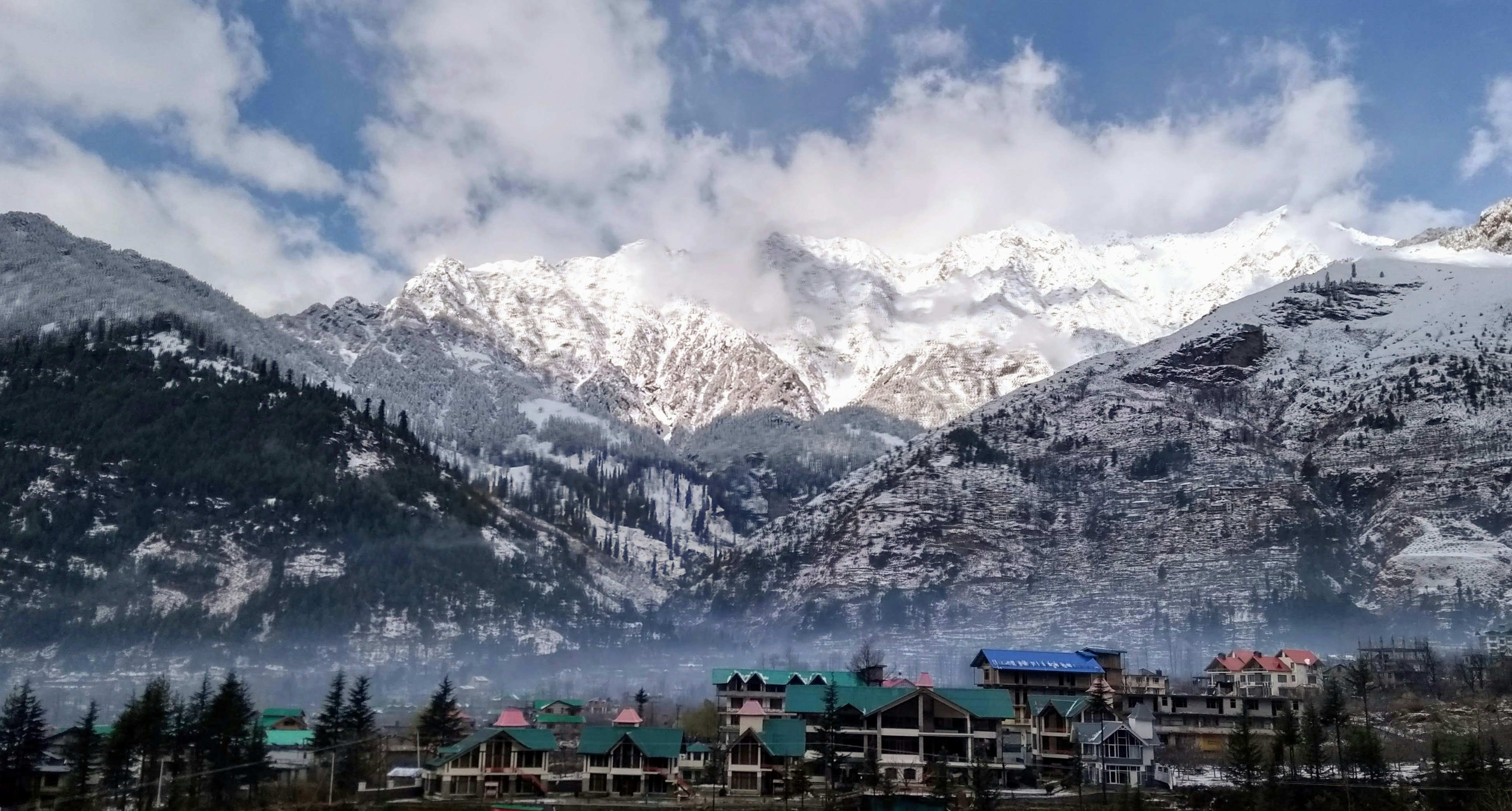
Manali
Manali – A Complete Travel Guide to Tourist Places, Temples, Treks and Things to Do Manali is one of the most popular mountain destinations in Himachal Pradesh, located in the Kullu Valley along the Beas River. Surrounded by deodar forests, snow-covered Himalayan peaks, apple orchards and beautiful mountain villages, Manali attracts families, couples, adventure lovers, nature enthusiasts and pilgrims throughout the year. There is much more to Manali than Mall Road and snowfall. The destination has ancient temples, Buddhist monasteries, forest trails, waterfalls, high-altitude lakes, trekking routes and adventure activities. Visitors can explore Hadimba Devi Temple, Manu Temple, Vashisht, Old Manali, Manali Wildlife Sanctuary and several scenic places around the town. Manali is also a convenient base for popular Himalayan excursions such as Solang Valley, Bhrigu Lake, Beas Kund, Hampta Pass and Rohtang Pass. Some of these attractions are outside Manali town, so it is useful to understand their locations before planning a trip. Where Is Manali Located? Manali is a hill town in Kullu district of Himachal Pradesh, situated along the Beas River. It lies in the northern part of the Kullu Valley and serves as an important gateway towards Solang Valley, Rohtang Pass and the Lahaul region. The main town has several popular attractions within a short distance of Mall Road, while other destinations are spread across nearby valleys and mountain villages. Why Is Manali Famous? Manali is known for its combination of natural beauty, religious heritage and outdoor activities. Some of the main reasons people visit are: Ancient temples such as Hadimba Devi Temple and Manu Temple Vashisht village and its traditional temples and hot springs Buddhist monasteries and Tibetan culture Trekking routes leading to alpine meadows and high-altitude lakes Waterfalls, forests and scenic viewpoints Snow activities and adventure sports around Solang Valley Old Manali, local markets and riverside surroundings Access to Rohtang Pass and the Lahaul region Famous Temples and Religious Places in Manali Manali has several religious sites that reflect the traditional culture and spiritual history of the Kullu Valley. Some are located within the town, while others are in nearby villages. 1. Hadimba Devi Temple (Dhungri Temple) Hadimba Devi Temple, also known as Dhungri Temple, is one of the most recognised landmarks in Manali. Located in a deodar forest near the main town, the temple is dedicated to Hadimba Devi, who is associated with the Mahabharata and worshipped as a goddess in the region. The temple is known for its distinctive four-tier pagoda-style architecture, wooden construction and peaceful forest surroundings. It is among the most important places to visit in Manali for both devotees and visitors interested in Himachali architecture. 2. Manu Temple, Old Manali Manu Temple is located in Old Manali and is dedicated to Rishi Manu. It is a distinctive religious site associated with the traditional belief that Manu's connection with this place gave Manali its name. The temple features traditional stone and wooden architecture with a slate-covered roof. Visitors can combine a visit to the temple with a walk through Old Manali's narrow lanes and traditional neighbourhood. 3. Vashisht Temple Vashisht Temple is situated in Vashisht village, a short distance from central Manali. It is dedicated to Sage Vashisht, a revered figure in Hindu tradition. The village is also known for its natural hot-water springs and traditional bathing facilities. The temple, village lanes and mountain views make Vashisht an important stop for visitors interested in spirituality and local culture. 4. Lord Rama Temple, Vashisht Vashisht village also has a temple dedicated to Lord Rama. Visitors can explore it along with Vashisht Temple and the nearby hot-water spring area. 5. Gauri Shankar Temple, Jagatsukh Jagatsukh is a traditional village located outside central Manali. It is known for its old temples and historical importance in the Kullu Valley. The Gauri Shankar Temple is an important religious and architectural attraction in the village. Visitors interested in traditional Himachali temple architecture can include Jagatsukh in a wider Manali sightseeing plan. 6. Shiva Temple, Jagatsukh Jagatsukh also has an old Shiva Temple known for its traditional Shikhara-style architecture and stone craftsmanship. It is a good place to explore the region's historical religious heritage. 7. Gayatri Devi Temple, Jagatsukh The Gayatri Devi Temple is another religious site in Jagatsukh. It can be visited along with the village's other temples. 8. Gadhan Thekchhokling Gompa Gadhan Thekchhokling Gompa is a Buddhist monastery near Manali's Mall Road area. Its colourful architecture, prayer wheels, murals and peaceful atmosphere offer visitors a glimpse of Tibetan Buddhist culture. 9. Himalayan Nyingmapa Buddhist Monastery Located in the town area, this Buddhist monastery is another peaceful place to visit. It is known for its Buddhist artwork, prayer atmosphere and traditional monastery architecture. Note: Jagatsukh is a nearby village, not part of central Manali town. It is included here because many visitors explore it during a wider Manali trip. Famous Trekking Places and Treks Near Manali Manali is an important base for trekking in the Pir Panjal and surrounding Himalayan ranges. There are short nature walks as well as multi-day high-altitude treks. Not every trek begins inside Manali town. Some start from nearby villages or road-accessible locations, so visitors should plan transport and trekking arrangements accordingly. 1. Jogini Waterfall Trek Jogini Waterfall is one of the popular short trekking experiences near Manali. The trail begins from the Vashisht side and passes through natural surroundings, village paths and forested sections. The waterfall is a scenic destination for visitors who want a nature walk without committing to a multi-day trek. The trail can be slippery during or after rain, so proper footwear is important. 2. Bhrigu Lake Trek Bhrigu Lake is a high-altitude alpine lake located in the mountains above the Manali region. The trek is known for its open meadows, mountain scenery and views of surrounding Himalayan peaks. The commonly used trekking approach is from the Gulaba side. It is a multi-day high-altitude trek, and visitors should not treat it as an ordinary sightseeing walk. 3. Beas Kund Trek Beas Kund is a popular trekking destination near Manali, associated with the source region of the Beas River. The route generally starts from the Solang Valley and Dhundi side. The trek passes through mountain landscapes and meadows before reaching the high-altitude lake area. It is a well-known choice for visitors looking for a short Himalayan trekking experience. 4. Hampta Pass Trek Hampta Pass is a famous crossover trek connecting the Kullu side with the Lahaul region. The usual trekking route begins from Jobra, which is reached by road from Manali. The route passes through forests, meadows, river valleys and high mountain terrain. It is a multi-day trek and requires suitable preparation, an experienced guide or organised trekking support, and attention to weather conditions. 5. Patalsu Peak Trek Patalsu Peak is a mountain trekking destination approached from the Solang Valley side. The route offers views of the surrounding mountains and the Kullu Valley. It is a demanding uphill walk compared with short sightseeing trails. Weather, snow conditions and the trekker's fitness can affect the difficulty. 6. Anjani Mahadev Trek Anjani Mahadev is a religious and natural attraction in the Solang Valley region. Visitors reach the area through a mountain walk from the road-accessible side. The site is known for its naturally formed ice structure during suitable winter conditions. Its appearance depends on weather and seasonal conditions, so visitors should not assume that the ice formation will always be present. 7. Lamadugh Trek Lamadugh is a scenic meadow and trekking destination in the mountains above Manali. The trail is known for forest sections, open grasslands and views of the surrounding peaks. It is a longer mountain walk than the usual town sightseeing circuit. Visitors should check current trail conditions and allow enough time for the return journey. 8. Deo Tibba Base Camp Trek Deo Tibba Base Camp is a more demanding trekking destination in the Manali region, generally approached from the Jagatsukh side. It leads towards the high mountain landscape beneath Deo Tibba. This is a serious multi-day Himalayan trek rather than a casual tourist activity. It requires proper planning, suitable equipment and experienced trekking support. 9. Friendship Peak Friendship Peak is a high-altitude mountaineering objective in the Solang Valley region. It is suitable only for properly prepared climbers with appropriate experience and support. It should not be presented as a regular family trek or an easy sightseeing attraction. Waterfalls, Lakes and Natural Attractions in Manali 1. Beas River The Beas River flows through the Manali region and is one of its most prominent natural features. Visitors can enjoy riverside scenery from suitable public areas, but should stay away from unsafe banks and strong currents. Swimming in the river is not recommended. 2. Jogini Waterfall Jogini Waterfall is reached by a walking trail from the Vashisht side. Its natural setting and waterfall views make it one of the popular nature attractions near Manali. 3. Nehru Kund Nehru Kund is a natural spring located on the Manali–Leh highway, a short drive from the main town. It is a brief sightseeing stop for visitors travelling towards Solang Valley and the upper Manali region. 4. Rahala Waterfall Rahala Waterfall is located on the route towards Rohtang Pass, beyond central Manali. It is known for its mountain setting and flowing water, especially when seasonal conditions are favourable. 5. Bhrigu Lake Bhrigu Lake is a high-altitude lake reached through a trek. It is better suited to trekkers than visitors looking for a quick roadside sightseeing stop. 6. Van Vihar Van Vihar is a public green space near Mall Road, known for its tall trees and walking paths. It is a convenient option for families and visitors who want a relaxed break within the town. Other Famous Tourist Attractions in Manali 1. Mall Road Mall Road is the main shopping and activity area of Manali. Visitors can explore local markets, woollen products, handicrafts, restaurants and cafés. 2. Old Manali Old Manali is known for its traditional village atmosphere, narrow lanes, cafés and mountain views. Manu Temple is also located in this part of Manali. 3. Manali Wildlife Sanctuary Manali Wildlife Sanctuary is a forested natural area close to the town. It is known for its deodar and other Himalayan vegetation and offers opportunities for nature walks and wildlife observation. Visitors should follow forest rules and avoid disturbing wildlife. 4. Museum of Himachal Culture and Folk Art This museum near the Hadimba Temple area introduces visitors to traditional Himachali culture, folk art, local objects and heritage. 5. Manali Club House The Club House is an activity and recreation centre near Old Manali. It has been known for indoor and outdoor recreational activities. Visitors should confirm which activities are currently operating before planning around them. 6. Arjun Gufa Arjun Gufa, or Arjun Cave, is associated with local tradition and the story of Arjuna's meditation. It is located in the Prini area outside the main town. Because access and local directions can be less straightforward than central attractions, visitors should confirm the route locally before setting out. 7. Kothi Kothi is a scenic village on the route towards Rohtang Pass. It is known for mountain views and the surrounding landscape. 8. Gulaba Gulaba is a mountain-side destination on the road towards Rohtang Pass. It is visited for its open landscapes and seasonal snow views, subject to road and weather conditions. Famous Places Near Manali Some of the most popular destinations associated with a Manali trip are outside Manali town. They should be planned as separate excursions. 1. Solang Valley Solang Valley is around 13 km from Manali according to the Himachal Tourism destination listing. It is known for mountain scenery and seasonal adventure activities such as skiing, paragliding and other outdoor experiences. 2. Rohtang Pass Rohtang Pass is a high mountain pass around 51 km from Manali by the listed road distance. It provides access towards the Lahaul region and is known for snow-covered landscapes. The pass is seasonal and access is subject to road opening, weather and permit regulations. Check the current official permit and road status before travelling. 3. Naggar Naggar is a historic village in Kullu district, around 22 km from Manali. Its attractions include Naggar Castle, Nicholas Roerich Art Gallery, Gauri Shankar Temple, Tripura Sundari Temple and other heritage sites. Naggar deserves a separate destination page because it has its own history and group of attractions. 4. Jagatsukh Jagatsukh is a traditional village around 6 km from Manali. It is known for its old temples and historical significance in the Kullu Valley. 5. Kothi Kothi is a scenic settlement on the upper Manali route. Visitors often include it in a trip towards Gulaba and Rohtang Pass. Things to Do in Manali Manali offers activities for different types of travellers: Visit Hadimba Devi Temple and Manu Temple. Explore Vashisht village and its temples. Walk through Old Manali and explore its traditional lanes. Visit Buddhist monasteries. Enjoy nature walks around Van Vihar and suitable forest trails. Explore the local markets around Mall Road. Take a short nature trek to Jogini Waterfall. Plan a multi-day trek to Bhrigu Lake, Beas Kund or Hampta Pass. Try seasonal adventure activities in Solang Valley through authorised operators. Explore nearby villages such as Jagatsukh and Naggar. Adventure activities depend on weather, local permissions, operator availability and safety conditions. Best Time to Visit Manali The best time to visit Manali depends on what kind of experience you want. March to June – Pleasant Weather and Sightseeing This period is popular for sightseeing, temple visits, village walks and outdoor activities. The weather is generally more comfortable than in the peak winter season. July to September – Monsoon Season Manali and the surrounding mountains receive monsoon rainfall. Landslides, road closures and slippery trails can affect travel plans. Visitors should check local weather and road conditions before travelling. October to November – Autumn and Mountain Views Autumn brings changing colours and clearer views on many days. It can be a good period for sightseeing, although temperatures begin to fall. December to February – Winter and Snowfall Winter is the season when visitors travel to Manali hoping to experience snow. Actual snowfall in the town is not guaranteed on specific dates. Snow conditions vary from year to year, and higher locations may have different conditions from the main town. How to Reach Manali By Road Manali is connected by road with major destinations in Himachal Pradesh and northern India. Regular buses, including HRTC and private services, operate on routes connecting Manali with places such as Delhi and Chandigarh. By Air Bhuntar Airport is the nearest airport commonly used for reaching the Kullu–Manali region. Flight availability is limited and can be affected by weather. Visitors should check current flight schedules and onward road transport. By Train Manali does not have a railway station. Visitors generally travel by train to a suitable railway station such as Chandigarh and continue by road. The nearest narrow-gauge railway options are not a direct substitute for a convenient rail connection to Manali. How Many Days Are Enough for Manali? A stay of 3 to 4 days can cover the main town attractions and one or two nearby excursions. Visitors planning a multi-day trek, Rohtang excursion or a wider Kullu Valley trip should allow additional days. Suggested 3-Day Manali Itinerary Day 1 – Manali Local Sightseeing Hadimba Devi Temple Museum of Himachal Culture and Folk Art Van Vihar Mall Road Old Manali and Manu Temple Day 2 – Temples and Nature Vashisht Temple and village Jogini Waterfall walk, if trail conditions permit Nehru Kund Kothi or another suitable nearby viewpoint Day 3 – Solang Valley Excursion Solang Valley Anjani Mahadev, if accessible and suitable for your group Return to Manali Rohtang Pass, longer treks and Naggar may require separate days depending on access, weather and the route. Important Travel Tips for Manali Check weather and road conditions before travelling to high-altitude areas. Do not assume Rohtang Pass or trekking routes will be open throughout the year. Carry warm clothing even during summer, especially for higher elevations. Use proper trekking shoes for waterfall walks and mountain trails. Avoid swimming in the Beas River because of strong and unpredictable currents. Do not attempt high-altitude treks without preparation and suitable support. Respect local temple customs and monastery rules. Avoid littering and help protect forests, streams and mountain trails. Confirm current activity availability and prices locally rather than relying on old online listings. Is Manali Worth Visiting? Manali is worth visiting for travellers who want a mix of Himalayan scenery, temples, monasteries, local culture, adventure and nature. The town itself has enough attractions for a relaxed sightseeing trip, while nearby valleys and trekking routes offer more challenging outdoor experiences. Whether you are planning a family holiday, a couple's trip, a temple visit or a Himalayan trek, Manali can be a useful base for exploring this part of Kullu district.
FAQs
Common questions about Kullu