Manikaran
Discover Manikaran
Manikaran, Himachal Pradesh – A Complete Travel Guide
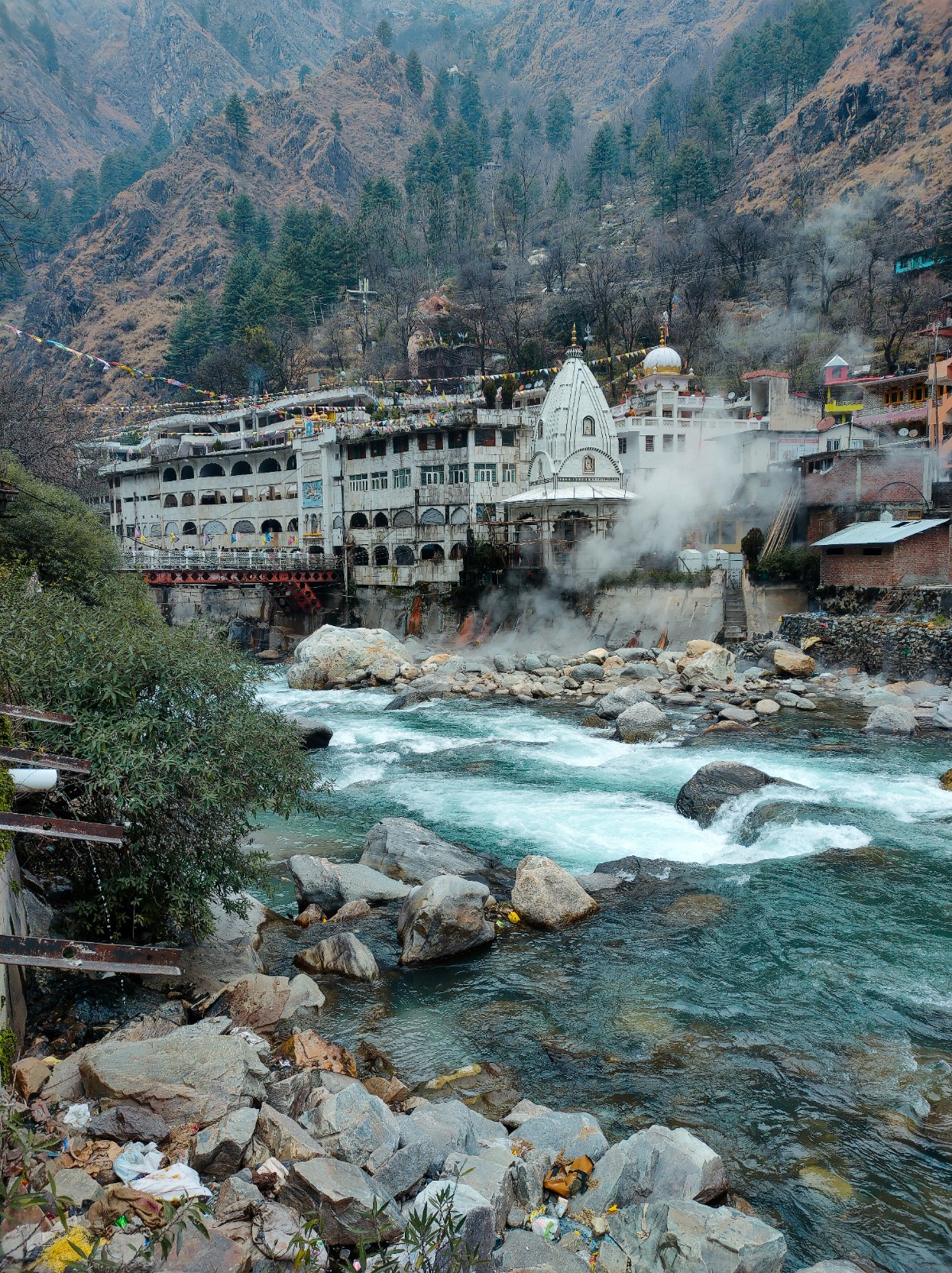
Manikaran is a famous pilgrimage town in the beautiful Parvati Valley of Kullu district, Himachal Pradesh. Located beside the Parvati River and surrounded by steep mountain slopes, the town is known for Gurudwara Manikaran Sahib, natural hot water springs, ancient Hindu temples and its religious importance.
Manikaran attracts Sikh and Hindu pilgrims as well as travellers exploring Kasol and the wider Parvati Valley. Visitors come here to pay their respects, experience the peaceful atmosphere, see the hot springs and enjoy the scenic mountain surroundings.
Whether you are planning a short visit from Kasol or adding Manikaran to a longer Kullu trip, this guide covers the main attractions, local experiences, nearby destinations, travel routes, best time to visit and useful travel tips.
Where Is Manikaran Located?
Manikaran is situated in Parvati Valley in Kullu district of Himachal Pradesh, along the Parvati River. It is approximately 40–45 km from Kullu town, depending on the starting point and route.
The town lies on the road that continues from Kasol towards Barshaini. Its location makes it an important religious stop for pilgrims and a popular sightseeing destination for visitors exploring the Parvati Valley.
Manikaran is also commonly visited from Kasol, which is a convenient base for exploring this part of the valley.
Why Is Manikaran Famous?
Manikaran is mainly famous for its religious significance and natural hot water springs. It is an important destination for both Sikh and Hindu visitors.
The main reasons people visit Manikaran include:
-
Gurudwara Manikaran Sahib: A major Sikh pilgrimage site associated with Guru Nanak Dev Ji.
-
Natural hot springs: Hot water emerges from the ground near the Parvati River and religious complex.
-
Hindu temples: The town has important temples associated with Lord Shiva and Lord Rama.
-
Langar: Visitors of all faiths can participate in the community meal at the Gurudwara.
-
Parvati Valley scenery: The river, surrounding mountains and narrow valley create a distinctive Himalayan setting.
Best Places to Visit in Manikaran
Manikaran is a small town, and most of its main attractions can be explored on foot. These are the important places to include in your visit.
1. Gurudwara Manikaran Sahib
Gurudwara Manikaran Sahib is the most prominent attraction in the town. Situated beside the Parvati River, this sacred place is associated with the visit of Guru Nanak Dev Ji along with Bhai Mardana and other companions, according to Sikh tradition.
The Gurudwara is known for its peaceful prayer atmosphere, community service and natural hot springs within the complex. Pilgrims and tourists from different parts of India visit throughout the year.
Visitors can offer prayers, spend time in the complex and participate in the langar. The community kitchen serves meals to visitors without discrimination based on religion or background.
Visitor tips:
-
Cover your head before entering the prayer area.
-
Remove your shoes at the designated place.
-
Maintain silence and respect the religious environment.
-
Follow the instructions of the Gurudwara management.
2. Manikaran Hot Water Springs
The natural hot springs are among the most distinctive features of Manikaran. Hot water emerges from underground near the river and the religious complex, creating a striking contrast with the cold water of the Parvati River.
The springs have been associated with religious traditions for generations. Hot spring water is also used for cooking food, including rice wrapped in cloth and placed in designated hot-water areas.
Some visitors use the bathing facilities available around the religious complex. Facilities and access arrangements may vary, so follow local instructions.
Important safety note: Water near the source can be extremely hot and may cause serious burns. Never put your hand or foot into an unmarked spring or touch the source water. Use only designated facilities and follow safety instructions. Traditional beliefs about the springs' healing properties should not be treated as medical advice.
3. Shri Ramchandra Temple
Shri Ramchandra Temple is one of the important Hindu religious sites in Manikaran. The temple is associated with Lord Rama and local religious traditions.
The temple is an important stop for Hindu pilgrims visiting Manikaran. Its setting near the hot springs and other religious structures makes it easy to include during a walking visit around the town.
Visitors should respect the temple's customs and check locally for any restrictions on photography or access.
4. Lord Shiva Temple
Manikaran is also connected with Lord Shiva and Goddess Parvati in Hindu mythology. The local Shiva temple is an important place of worship for devotees visiting the town.
According to local legend, Goddess Parvati lost a precious jewel in the water while bathing. Lord Shiva became angry, and the story is associated with the appearance of the hot springs in the valley.
This legend is an important part of Manikaran's religious identity and is one reason the town is visited by Hindu pilgrims.
5. Parvati River Viewpoints
The Parvati River flows beside Manikaran and adds to the town's natural beauty. The contrast between the river's cold water, the hot springs and the surrounding mountains makes this area particularly interesting.
Visitors can enjoy the views from safe public areas and walk around the accessible parts of the town.
Safety: Do not climb onto wet rocks or river edges, and never enter the river at unsafe locations. Water levels and currents can change quickly, especially during rain or dam-related releases upstream.
6. Manikaran Local Market
The local market is a small but useful place to explore while visiting the town. Shops around the main road sell religious items, souvenirs, woollen products, snacks and everyday essentials.
Visitors can walk through the market after visiting the Gurudwara and temples. It is also a convenient place to purchase small items for the journey.
Places to Visit Near Manikaran
Several popular destinations in Parvati Valley can be explored from Manikaran. These are separate villages and destinations, not attractions located inside Manikaran town.
1. Kasol
Kasol is one of the best-known destinations in Parvati Valley and is located a short drive downstream from Manikaran. It is popular for its riverside setting, mountain views, cafés, local market and access to walking trails.
Many travellers stay in Kasol and visit Manikaran as a half-day excursion.
2. Chalal Village
Chalal is a small village near Kasol, known for its forest surroundings, traditional mountain setting and walking routes. Visitors generally reach it on foot from Kasol.
It is a good option for travellers interested in a peaceful walk and a quieter side of Parvati Valley.
3. Barshaini
Barshaini is an important road-end settlement further up Parvati Valley. It is a starting point for journeys towards Tosh, Kalga, Pulga and the Kheerganga trekking route.
Travellers planning a trek should check the current trail and road conditions before starting.
4. Tosh Village
Tosh is a scenic mountain village above Barshaini. It is known for its traditional houses, mountain views and walking routes.
The village attracts travellers who want to explore the upper Parvati Valley and spend time away from the busier parts of Kasol.
5. Kheerganga Trek
Kheerganga is a well-known trekking destination in the upper Parvati Valley. The usual approach is from Barshaini, and the route passes through forested sections, mountain scenery and small settlements.
The trek requires physical preparation and suitable footwear. Weather, trail access and local restrictions can change, so check current conditions before setting out. Do not assume that overnight camping or bathing facilities are available without checking the latest rules.
6. Malana Village
Malana is a traditional village in a separate valley near the Parvati region. It is known for its distinct local customs, traditional social organisation and mountain setting.
Visitors should be respectful of village rules, avoid touching houses or religious structures where prohibited, and follow local guidance. Malana is not a part of Manikaran town and requires a separate journey.
Things to Do in Manikaran
A visit to Manikaran is generally focused on religious experiences, local sightseeing and exploring the surrounding valley.
Some useful things to do include:
-
Visit Gurudwara Manikaran Sahib and offer prayers.
-
Participate in the langar at the Gurudwara.
-
See the natural hot water springs from designated safe areas.
-
Visit the Shri Ramchandra and Shiva temples.
-
Walk through the local market.
-
Enjoy views of the Parvati River from safe public viewpoints.
-
Explore Kasol and other nearby destinations in Parvati Valley.
-
Try local food and traditional Himachali dishes where available.
Best Time to Visit Manikaran
Manikaran can be visited throughout the year, but the experience changes with the season.
March to June
This is a comfortable period for sightseeing and exploring the Parvati Valley. The weather is generally pleasant compared with the colder winter months, and road travel is often more convenient.
July to September
The monsoon brings greenery to the valley, but heavy rainfall can cause landslides, road blockages and sudden changes in river conditions.
Travellers should check weather and road advisories before travelling. Avoid standing near the river during heavy rain or when water levels rise.
October to November
This period is suitable for visitors who prefer cooler weather and relatively quieter surroundings. Days can be pleasant, while evenings and mornings become colder.
December to February
Winter brings cold conditions to Manikaran and the surrounding higher areas. Snowfall is more likely at higher elevations than in the town itself, so do not plan a snow visit on the assumption that Manikaran will always be covered in snow.
Carry warm clothing and check road conditions before travelling.
How to Reach Manikaran
Manikaran is connected by road to Kullu, Bhuntar and other destinations in Himachal Pradesh. The final journey follows the Parvati Valley road.
By Road
Road travel is the most practical way to reach Manikaran.
-
From Kullu: Travel towards Bhuntar and then follow the Parvati Valley road via Jari and Kasol.
-
From Bhuntar: Continue towards Jari and Kasol before reaching Manikaran.
-
From Kasol: Manikaran is a short drive further up the valley.
-
From Manali: Travel via Kullu and Bhuntar, then continue towards Kasol and Manikaran.
HRTC and private buses operate on routes connecting important towns in the region. Local bus frequency can vary, so check the latest schedule before travelling.
By Air
The nearest airport is Kullu-Manali Airport at Bhuntar. From the airport, visitors need to continue by road towards Manikaran through the Parvati Valley.
Flight availability can be limited and may be affected by weather.
By Train
There is no railway station at Manikaran. The nearest narrow-gauge rail connection commonly listed for this region is Joginder Nagar, but it is a considerable distance away.
Travellers arriving by broad-gauge train can plan onward road travel from a suitable railway station in the region.
How Much Time Is Needed to Explore Manikaran?
Most visitors can explore the main religious complex, hot springs area, temples and local market in a few hours.
-
2–3 hours: Main sightseeing around the Gurudwara, springs and temples.
-
Half day: A relaxed visit with time for langar and the local market.
-
1–2 days: A longer trip combining Manikaran with Kasol and other accessible parts of Parvati Valley.
If you want to trek to Kheerganga or visit Tosh, Pulga or Malana, plan additional time. These are separate excursions and should not be treated as short walks from Manikaran.
Food and Langar in Manikaran
The langar at Gurudwara Manikaran Sahib is an important part of the visitor experience. People from all faiths and backgrounds are welcome to participate.
The town also has small eateries and local food shops. Travellers can find simple meals and refreshments, although the choice may be more limited than in larger tourist centres.
Visitors should avoid wasting food and respect the traditions of the community kitchen.
Where to Stay in Manikaran
Manikaran has accommodation options used by pilgrims and travellers. Visitors can also choose to stay in nearby Kasol, which offers a wider choice of accommodation and dining options.
Choose your stay according to your travel plan:
-
Stay in Manikaran if your main purpose is pilgrimage and a short visit to the religious sites.
-
Stay in Kasol if you want to explore more of Parvati Valley and prefer a wider range of facilities.
-
For Tosh, Pulga or other upper-valley villages, check local road access and accommodation availability before travelling.
Confirm current availability, facilities and rates directly before booking.
Travel Tips for Visiting Manikaran
-
Wear comfortable shoes because the town has narrow lanes and walking sections.
-
Carry warm clothing, even when visiting during summer.
-
Cover your head and remove your shoes before entering the Gurudwara.
-
Respect religious customs at the Gurudwara and temples.
-
Never touch the hot spring source water; it can cause severe burns.
-
Use only designated bathing facilities and follow local instructions.
-
Do not throw plastic or other waste into the river or around the springs.
-
Avoid standing on slippery rocks beside the Parvati River.
-
Check road and weather conditions during the monsoon and winter.
-
Keep some cash for small purchases in the local market.
-
If you are planning a trek, check the current trail status and local restrictions first.
Suggested Manikaran Travel Itinerary
Manikaran One-Day Visit
Morning
-
Reach Manikaran and visit Gurudwara Manikaran Sahib.
-
Spend time in the religious complex and participate in langar.
-
See the hot springs from designated safe areas.
Afternoon
-
Visit Shri Ramchandra Temple and the Shiva temple.
-
Explore the local market.
-
Enjoy the views of the Parvati River from safe public areas.
Evening
-
Return towards Kasol or continue to your planned accommodation.
Manikaran and Parvati Valley – Two-Day Plan
Day 1: Explore Manikaran, visit the Gurudwara and temples, and spend time around the hot springs. Stay in Manikaran or Kasol.
Day 2: Explore Kasol and choose a suitable nearby destination such as Chalal. Travellers with more time can plan a separate trip towards Barshaini and Tosh.
Kheerganga and Malana require separate planning and should not be added to a rushed sightseeing schedule.
Responsible Tourism in Manikaran
Manikaran is both a religious destination and a sensitive mountain environment. Visitors should help preserve its spiritual atmosphere and natural surroundings.
Respect local religious practices, avoid littering, do not disturb the river ecosystem and follow instructions around the hot springs. When visiting nearby villages, respect local customs and private property.
A responsible visit helps protect the valley for residents, pilgrims and future travellers.
FAQs
Common questions about Manikaran
Manikaran is famous for Gurudwara Manikaran Sahib, natural hot water springs, Hindu temples and its religious importance in Parvati Valley.
Manikaran is located in Parvati Valley in Kullu district of Himachal Pradesh, beside the Parvati River.
Manikaran is approximately 4–5 km from Kasol by road. The actual travel time depends on traffic and road conditions.
Manikaran is approximately 40–45 km from Kullu town by road.
There is no general entry fee for visiting the Gurudwara. Visitors can offer voluntary donations and participate in the langar.
Visitors may use designated bathing facilities where available. The source water is extremely hot, so never touch an unmarked spring or enter an unsafe pool. Follow local instructions.
March to June and October to November are generally comfortable periods for sightseeing. During the monsoon, check road and weather conditions before travelling.
Around 2–3 hours are usually enough to visit the main religious complex, hot springs area, temples and local market. A half-day visit allows a more relaxed experience.
You can travel by road towards Chandigarh, Mandi and Kullu, then continue via Bhuntar, Jari and Kasol to Manikaran. You can also travel by bus towards Kullu or Kasol and use local transport for the final stretch.
Yes. Kasol is very close to Manikaran, so both destinations can be included in the same trip. Many visitors stay in Kasol and explore Manikaran as a half-day excursion.